
When purchasing RJ45 modular plugs, terms such as 3u, 15u, and 50u gold plating appear frequently in quotations and product descriptions. The numbers are important, but they do not tell the whole story by themselves.
For a network installer buying connectors for ordinary field work, a distributor building a private-label range, or an OEM assembling patch cords at scale, the useful question is not simply “Which plating is best?” It is: What contact specification is appropriate for the cable, application, expected handling, quality target, and purchase requirement?
This guide explains how RJ45 contact plating is specified, what buyers should ask suppliers to document, and how to avoid common misunderstandings when comparing modular plugs.
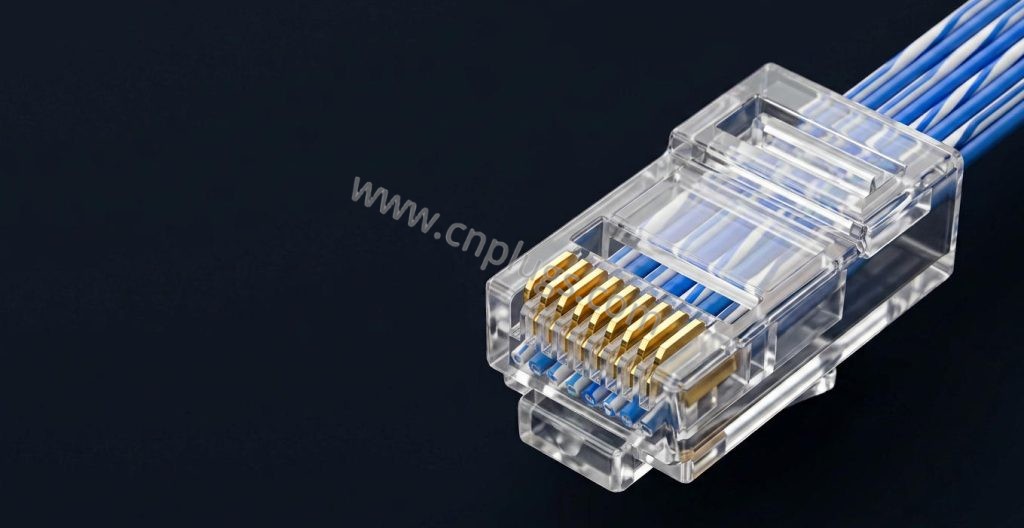
Figure 1. Contact plating is one element of connector quality. The contact material, geometry, cable compatibility, assembly process, and finished-link testing also matter.
The short answer
Gold plating is used on the mating contact area of an RJ45 connector to support stable electrical contact and resistance to surface oxidation. A thicker specified gold layer can be relevant for applications with higher durability expectations or a defined customer requirement, but it should not be evaluated in isolation.
When comparing 3u, 15u, and 50u options, confirm:
- The unit used in the quotation and drawing
- Whether the stated thickness applies to the mating area
- The base contact material
- The nickel underlayer, if specified
- The actual plug design and cable compatibility
- The intended application and insertion-cycle expectation
- The supplier’s inspection method and available documentation
For a purchase order, the best approach is to include a complete contact specification rather than writing only “gold plated RJ45 plug.”
What do 3u, 15u, and 50u mean?
In connector specifications, u is commonly used informally to represent micro-inch (µin) thickness. For example:
- 3u generally means 3 micro-inches of gold plating
- 15u generally means 15 micro-inches of gold plating
- 50u generally means 50 micro-inches of gold plating
Because abbreviations can vary between factories and markets, buyers should state the required unit clearly in drawings, specifications, and purchase orders. If a requirement is critical, ask the supplier to show the plating callout in the approved technical document.
A plating thickness value should also be connected to a defined location. On a modular plug, the most relevant area is normally the contact’s mating zone—the part that interfaces with the corresponding jack contact. A general statement such as “50u gold” is less useful if the drawing does not indicate where and how it applies.
Why gold is used on RJ45 contacts
RJ45 plugs use thin metal contacts that must make consistent electrical contact with the mating jack. Gold is valued in connector contact systems because it resists oxidation at the surface and can support stable low-level contact behavior.
However, gold is only the surface layer. The overall result depends on the complete contact system, including:
- The base material, often a copper alloy such as phosphor bronze
- Contact shape and spring behavior
- Nickel underplating, where used in the design
- Gold-plating thickness and distribution
- Molding accuracy and contact positioning in the plug body
- Cable conductor compatibility
- The quality of crimping or termination
- The condition and compatibility of the mating jack
A plug with an impressive plating claim but poor dimensional consistency or unsuitable contacts for the cable is not a well-specified solution.
Understanding the contact construction
A typical RJ45 contact begins with a formed copper-alloy strip. The alloy is selected for its electrical conductivity and spring properties. The contact is then plated according to the product specification before it is assembled into the plug housing.
The exact stack-up varies by product design. Some specifications describe a gold layer over a nickel underlayer on a copper alloy contact. The thickness, plating area, and base material should be set out in the supplier’s technical documentation when these points are important to the project.
3u vs. 15u vs. 50u: how buyers should think about it
The following table is a purchasing discussion guide, not a substitute for a project specification or validation test.
| Plating option | How it is commonly positioned | Typical buyer consideration |
|---|---|---|
| 3u | Entry-level or cost-sensitive connector programs | Appropriate only when it meets the application requirement and agreed quality standard; verify the stated plating area and product consistency |
| 15u | Mid-range option for buyers seeking a more defined contact specification | Useful where the customer requires a specified plating level beyond basic commodity products; validate with the actual plug and cable system |
| 50u | Higher specified gold thickness often requested for demanding quality targets or defined procurement requirements | Confirm the thickness, plating area, documentation, and inspection method; select it because the application or specification calls for it, not as a generic upgrade |
There is no universal rule that every network installation requires 50u plating. A distributor may stock multiple options to meet different market segments, while an OEM may standardize a higher specification for a particular product line or tender requirement.
The correct choice should reflect the intended application, customer specification, expected handling, test requirements, and commercial target.
Applications: what customers usually care about
Office, retail, and general LAN installation
For standard office cabling, retail sites, classrooms, and general network maintenance, buyers usually focus on consistent plug dimensions, reliable termination, appropriate cable compatibility, and predictable supply.
In these applications, the contact specification should match the chosen product range and the customer’s quality expectation. Cable gauge, solid or stranded conductors, UTP or shielded design, and the installation tool are often more immediate concerns than choosing the highest available gold thickness.
Field installation and contractor supply
For contractor kits and field termination, the practical concerns are often ease of assembly and prevention of wiring mistakes. A pass-through plug can help technicians verify conductor order before crimping, provided it is matched with a compatible tool and cable.
PROUNTA’s EZ Pass-Through Cat6 RJ45 Unshielded Modular Plug is specified with 50u” gold-plated 3-prong contacts for compatible Cat6 UTP cable in the stated 23–24 AWG range. Buyers should verify the full specification and test samples with their actual cable and tool.
Patch-cord assembly and private-label programs
Cable assemblers and private-label brands need repeatability. They may specify a contact-plating level as part of a controlled bill of materials, along with plug dimensions, conductor range, housing material, packaging, labeling, and inspection criteria.
For these programs, consistency between approved samples and production batches is as important as the nominal plating value. Keep an approved sample, final drawing, and packaging standard on file for repeat orders.
Industrial, data-room, and shielded applications
In industrial or EMI-sensitive locations, buyers may require shielded connectors or higher-category cable systems. Contact plating remains relevant, but it is only one part of the selection. The cable type, shield termination, connector shell, grounding plan, and installation environment should be evaluated together.
For more guidance, see UTP vs. STP RJ45 Plugs: When Should You Use Shielded Connectors?.
Questions to ask a connector supplier
A supplier should be able to answer specific technical questions. These are practical questions to include in an RFQ or sample request.
1. What is the contact base material?
Ask whether the contact is phosphor bronze, brass, or another specified copper alloy. The supplier should provide the material information that applies to the quoted product.
2. What exactly does the gold-plating callout mean?
Confirm the unit, stated thickness, and plating location. Ask whether the thickness applies to the mating area and whether the supplier can provide the information on a drawing or specification sheet.
3. Is there a nickel underlayer?
If your product specification includes a nickel barrier layer, request its stated requirement as part of the technical document. Do not assume all products use the same stack-up.
4. How is the plating specification inspected?
Ask what inspection method the factory uses for the agreed production specification and whether the relevant report or certificate can be supplied when required. The exact documentation may depend on the product, order volume, and quality agreement.
5. Which cable types has the plug been designed for?
Confirm AWG range, solid or stranded compatibility, insulated conductor diameter where applicable, and cable outside diameter. Contact plating does not compensate for a plug that does not fit the cable.
6. What is the sample and approval process?
For a new OEM program, request samples, validate them with the actual cable and tool, then approve the final product and packaging specification before mass production.
How to compare quotations fairly
Two suppliers may both quote “50u gold-plated RJ45 plug” while offering products with different contact materials, plug dimensions, cable ranges, inspection controls, and packaging. Compare like for like.
A useful comparison table for your purchasing team should include:
| Item to compare | What to record |
|---|---|
| Product model and drawing revision | The exact part number and the current specification document |
| Cable compatibility | AWG, solid/stranded type, insulated conductor size, cable OD |
| Plug type | Standard, pass-through, shielded, tool-free, or other design |
| Contact base material | The material stated by the supplier |
| Contact-plating callout | Thickness, unit, plating area, and any underlayer requirement |
| Housing material | Stated resin and any flame-rating requirement where relevant |
| Inspection and test documents | What is available and what is included for the order |
| Packaging | Quantity per bag or box, labels, barcodes, inner box, carton marking |
| Sample approval | Approved sample reference and production confirmation process |
This method helps purchasing teams avoid choosing solely on a headline specification or the lowest unit price.
Contact plating and insertion life
Buyers sometimes use plating thickness as a shortcut for estimating durability. It is reasonable to ask about insertion-life targets, but the number should be interpreted in the context of the complete connector design and the applicable test conditions.
Mating performance depends on contact force, jack compatibility, plug material, plating system, environmental conditions, handling, and the number of actual insertion cycles. If your customer has a specific durability or performance requirement, state it in the RFQ and ask the supplier how the product is qualified against that requirement.
Common mistakes to avoid
Treating gold color as proof of a specification
A gold-colored contact cannot be evaluated visually for plating thickness. Use approved drawings, sample verification, and appropriate supplier documentation instead.
Requesting “50u” without defining the product
A plating request should be linked to a specific plug design, contact type, cable range, and agreed technical document. Otherwise, the quotation can be open to interpretation.
Ignoring cable compatibility
The plug must fit the cable. Confirm conductor gauge, insulation diameter, solid or stranded construction, and cable outer diameter before approving a connector.
Assuming higher plating solves every field problem
Link issues can come from incorrect wiring, poor crimping, damaged cable, weak strain relief, incompatible jacks, moisture ingress, electrical interference, or network equipment. Contact plating is important, but it is not the only variable.
Skipping production consistency checks
For repeat wholesale or private-label orders, retain approved samples and make the production specification part of the purchase order. This provides a clearer reference for future batches.
A practical purchasing specification example
Instead of writing:
“Need high-quality gold-plated Cat6 RJ45 plug.”
Use a request structure such as:
“Cat6 UTP pass-through 8P8C modular plug for [solid/stranded] cable, [AWG] conductor size, [cable OD] mm cable, [specified] contact material and [specified] gold plating in the mating area. Required packaging: [quantity] pieces per bag with [label/barcode] requirement. Please provide sample availability, technical sheet, and stated inspection documentation.”
The bracketed information must be completed according to your real cable and product requirement. This form gives the supplier enough information to recommend a compatible model and quote accurately.
Frequently asked questions
Is 50u gold plating always necessary for RJ45 plugs?
No. The appropriate specification depends on the product requirement, customer expectation, application, and quality agreement. Choose 50u when it is specified or justified by the intended product program; do not assume every installation needs the highest available thickness.
Does gold plating improve Ethernet speed?
Connector plating is one factor in stable contact performance, but it does not independently determine Ethernet speed. Cable category, link design, termination quality, network equipment, and installation practice all affect system performance.
How can I verify the gold-plating specification?
Ask the supplier for an approved technical specification identifying the plating requirement and location, then discuss what inspection documentation is available for the product and order. For critical programs, define the verification expectation during sample approval and purchasing.
What contact material is commonly used in RJ45 plugs?
Copper alloys such as phosphor bronze are commonly used because they combine conductivity with spring properties. The exact material should be confirmed in the product specification for the part you are buying.
Should distributors offer multiple plating options?
Often, yes. A distributor may choose a standard product range for general installation and separate options for customers with defined quality, private-label, or tender requirements. The assortment should be based on verified market demand and a clear product specification.
Final recommendation
Gold-plating thickness is a meaningful part of an RJ45 connector specification, but it should not be the only purchasing criterion. The right decision starts with the application and cable, then considers the contact material, plating callout, plug design, termination process, quality documentation, and production consistency.
For new sourcing projects, request a written specification and samples, test the exact plug with the intended cable and tool, and approve the full product and packaging standard before ordering in volume.
Need help specifying RJ45 contacts for a distribution, cable-assembly, or OEM packaging program? Contact PROUNTA with your cable details, target application, and expected quantity.
Put these specs to work. Our manufacturer verification playbook shows how to audit plating and process control at the factory, and the 20-question supplier checklist turns every specification in this guide into a written RFQ you can send today.
 WeChat ID: