
A network connector selected for a clean cable-assembly bench is not always the best choice for a control cabinet, a production line, a service call, or an outdoor equipment enclosure. In these situations, technicians may need to terminate or replace a connector with limited workspace, limited tools, and little tolerance for production downtime.
This is where a toolless field termination RJ45 plug can be useful. Instead of relying on a conventional crimping process, a field-installable connector uses a mechanical termination design that is assembled on site. Many versions are shielded and intended for industrial Ethernet, Cat6A, or other applications where cable construction and installation environment require more attention than a standard office patch lead.
However, tool-free does not mean selection-free. The connector still needs to match the cable, shield construction, conductor arrangement, and job conditions. This guide explains when a toolless field termination plug is a practical option, what questions customers should ask, and how to evaluate samples before a project rollout.
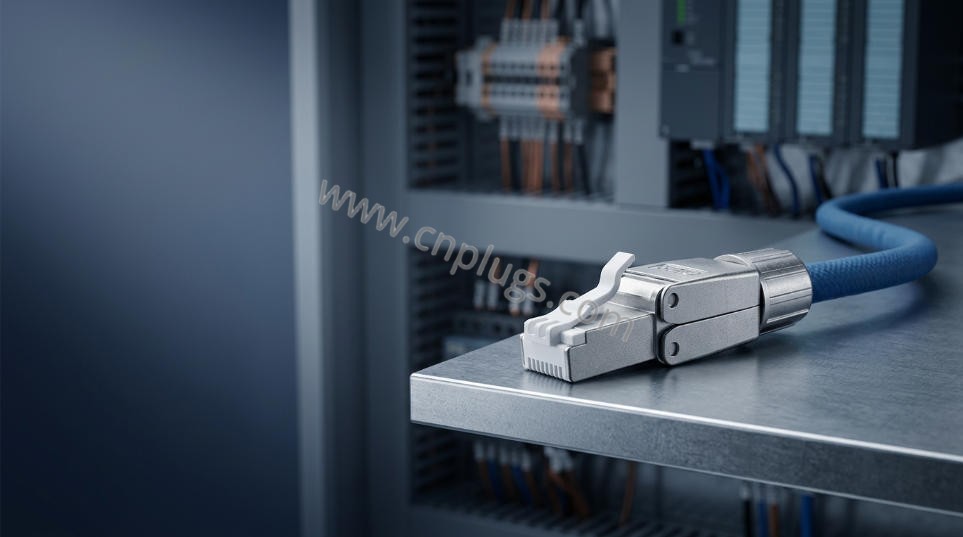
Figure 1. Tool-free field connectors are commonly considered where industrial Ethernet cables must be terminated or serviced close to the equipment.
What is a toolless field termination RJ45 plug?
A toolless field termination RJ45 plug is a connector designed to be assembled directly onto an Ethernet cable without a conventional modular-plug crimping tool. The exact mechanism differs by model, but a typical design guides the conductors into a wire-management section and secures them when the connector body is closed or locked.
Many industrial versions include a metal housing or shield structure and a cable clamp. These features are intended to support the connector’s mechanical design and, where applicable, the shielded cabling system.
A field termination plug is not the same as a standard clear RJ45 plug, and it is not simply a more expensive replacement for every network connector. It is selected when the installation method and environment justify it.
When does a tool-free connector make sense?
Service and repair work near equipment
A damaged connector inside a machine cabinet or at the end of a production line can delay commissioning or maintenance. If the cable is already installed and there is no practical way to pull a pre-terminated lead, a field-installable connector can be a practical repair option.
Industrial control cabinets
Control cabinets may have limited working space and carefully routed cables. A connector designed for the actual industrial cable can give technicians an on-site termination method without carrying a full range of crimp tools and replacement patch assemblies.
Commissioning and retrofit projects
During machine upgrades, network extensions, or equipment retrofits, cable lengths are often finalized on site. A field termination connector can be useful when the final cable cut length is not known in advance.
Shielded Ethernet system requirements
Where a project uses shielded industrial Ethernet cable, a compatible metal-bodied connector may be selected to support the cable shield and the overall system design. This must be evaluated together with the mating jack, panel, equipment interface, and grounding approach.
Installations where a standard crimp tool is impractical
A standard crimped modular plug is still appropriate for many jobs. But if access is restricted, tools cannot be carried easily, or the cable needs to be terminated at the equipment, a tool-free design may improve the work process.
A representative customer–engineer conversation
The following dialogue is a representative pre-sales discussion based on common questions from installers and equipment builders. It is not a customer testimonial or a record of a specific project.
Customer: “We install Ethernet in control cabinets. Why would we use a tool-free RJ45 plug instead of a normal crimp plug?”
Application Engineer: A conventional plug can work well when it matches the cable and your technicians have the right crimp tool. A tool-free field plug is usually considered when you need to terminate the cable at the cabinet or machine, access is limited, or the cable length is finalized on site. It can also be relevant when your cable is shielded and the connector design needs to accommodate the shield structure.
The decision should be based on the installation process, not on the assumption that tool-free is always better.
Customer: “Our cable is Cat6A shielded. Can we use any metal RJ45 field plug?”
Application Engineer: No. First confirm the cable’s conductor gauge, insulation diameter, overall cable diameter, and shield construction. Cat6A cables vary. Some have larger insulated conductors, a spline, foil, braid, or a thicker jacket. The field plug must state compatibility with your actual cable dimensions and conductor type.
A metal shell does not guarantee fit or system performance. Request a sample and test it with the exact cable used in production.
Customer: “Do we still need to prepare the cable carefully if there is no crimp tool?”
Application Engineer: Yes. The connector may remove the crimping step, but it does not remove the need for correct cable preparation. Follow the product instructions for jacket stripping, pair arrangement, conductor length, shield preparation, and strain relief. Excessive untwisting, incorrect conductor placement, or an improperly closed housing can still affect the termination.
Customer: “Can we use it for a fast repair on a production line?”
Application Engineer: It can be a good option for repair if the plug is compatible with the cable and the technician is trained on the assembly method. Before adopting it as a maintenance standard, run a controlled trial. Ask technicians to terminate several samples, inspect them, and test the completed links. This gives your team a realistic view of assembly time and repeatability.
Customer: “Will a shielded field plug solve noise problems near a VFD or motor?”
Application Engineer: It can be one part of a shielded channel, but it is not a stand-alone solution. Review cable routing, separation from power circuits, cable shield termination, bonding and grounding, the mating connection, and the source of interference. If the project requires shielded Ethernet, the plug should fit into that complete design.
Customer: “What should we send when asking for samples?”
Application Engineer: Send the cable datasheet or a physical cable sample, the conductor gauge, solid or stranded construction, insulated conductor diameter if available, cable outside diameter, shielding type, application environment, and the mating interface you plan to use. This information is more useful than simply requesting a ‘Cat6A industrial plug.’
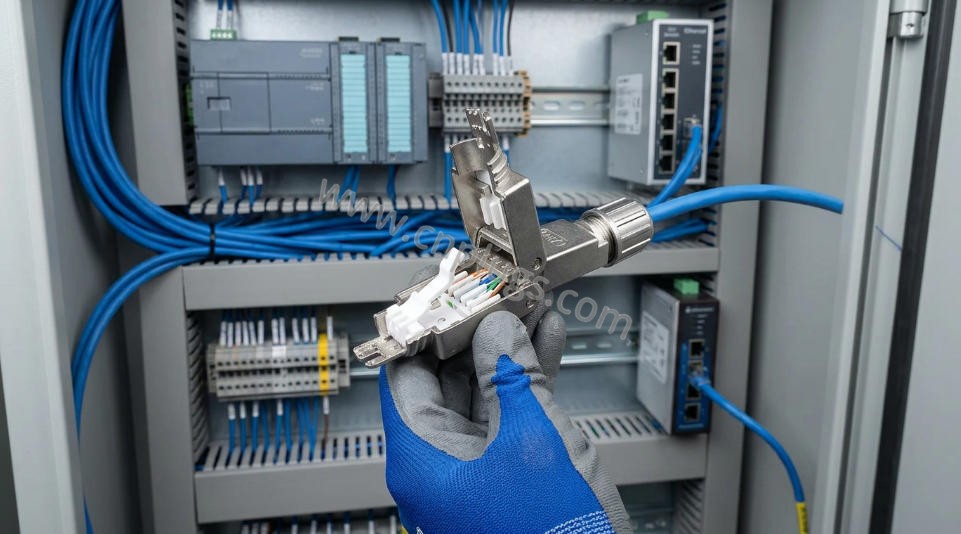
Figure 2. Cabinet work often involves limited access and fixed cable routes. Sample trials should reflect the actual installation conditions.
Cable compatibility: the first item to verify
Field termination plugs are designed around a defined cable range. Before requesting a quotation, check the cable—not only the network category printed on the jacket.
Conductor gauge and construction
Confirm whether the cable uses solid or stranded conductors and note the conductor gauge. Industrial cables can differ from standard office cable in conductor design, insulation thickness, and jacket construction.
Insulated conductor diameter
Two cables with the same AWG can have different insulation diameters. This affects how the conductors sit in the connector’s wire-management section.
Overall cable outside diameter
The rear cable clamp or gland must match the finished cable jacket. A cable that is too small may not be held securely; a cable that is too large may not close properly or may place stress on the connector body.
Shield construction
For shielded cable, identify whether it uses foil, braid, or another construction. Follow the connector manufacturer’s instructions for shield preparation and termination. Do not remove or cut shield components without understanding their role in the cable system.
Cable flexibility and bend radius
Industrial Ethernet cable may be installed in static cabinets, cable trays, moving equipment, or drag-chain systems. The connector should not create a bend or cable-entry condition that conflicts with the cable manufacturer’s recommendations.
For a broader guide on wire sizes, see How to Choose the Right RJ45 Plug for 23 AWG, 24 AWG, and 26 AWG Cable.
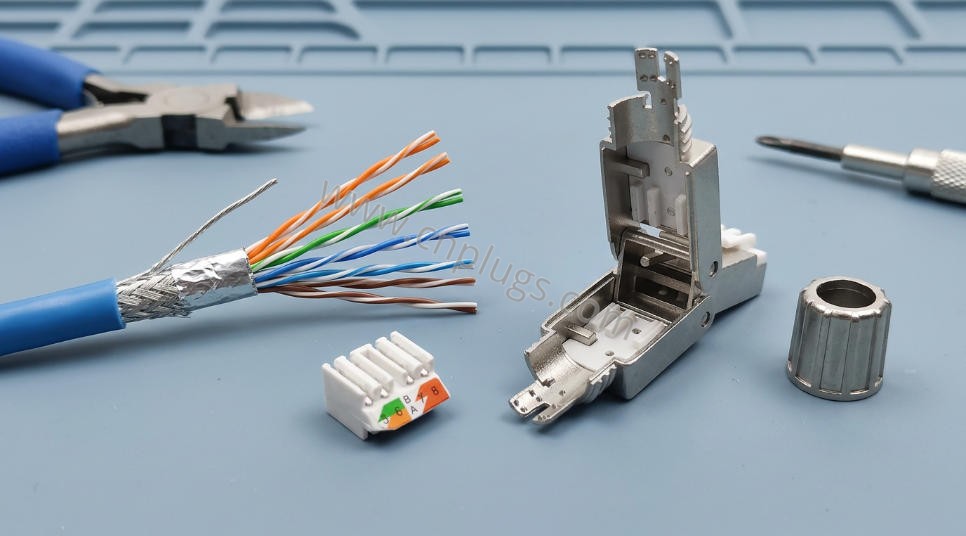
Figure 3. Correct jacket stripping, pair handling, and cable dimensions remain important even when the connector does not require a conventional crimp tool.
Tool-free does not mean no process control
The term “toolless” can create the impression that any technician can assemble a connector without instructions or validation. In practice, consistent termination still requires a documented process.
A good internal work instruction should define:
- The exact connector model and approved cable range
- Jacket-strip length and conductor-preparation method
- Pair arrangement and permitted untwist length
- Shield-preparation steps for shielded cable
- Connector closing or locking sequence
- Cable-clamp or strain-relief check
- Visual inspection points
- Required cable test method
For repeat production, retain an approved sample and photograph the correct completed assembly. This is especially useful for maintenance teams working across multiple sites.
Comparing a tool-free field plug with a conventional plug
| Consideration | Tool-free field termination plug | Conventional crimped RJ45 plug |
|---|---|---|
| Typical use | On-site installation, repair, industrial cabinet work, retrofit projects | General network installation, patch leads, controlled cable assembly |
| Main assembly method | Mechanical conductor management and closing/locking process | Compatible crimp tool presses contacts into conductors |
| Tool requirement | No conventional modular-plug crimper; preparation tools may still be required | Compatible modular-plug crimper required |
| Cable range | Often specific; carefully check conductor and cable OD limits | Also specific; check conductor, insulation, and cable OD limits |
| Shielded applications | Many models are designed for shielded cable systems | Both UTP and shielded designs are available |
| Key validation point | Correct wire management, housing closure, shield and clamp treatment | Correct insertion, contact crimp, wire order, and jacket strain relief |
Neither choice is automatically superior. The right option is the one that your team can install consistently with the actual cable, tools, space constraints, and quality-control process.
Common applications and selection notes
Machine builder and control-panel work
Machine builders often need to make final Ethernet connections after equipment is assembled. Confirm cable bend radius, connector clearance, vibration exposure, and the mating port orientation inside the cabinet.
Variable-frequency drive and automation areas
Where network cabling runs near drives, motors, or power equipment, follow the project’s cable-routing and shielding requirements. A shielded field plug may be part of the selected solution, but it should not replace correct system engineering.
Railway, logistics, and material-handling equipment
These applications can involve vibration, movement, or service access constraints. Evaluate mechanical retention, cable support, connector clearance, and the service process. Use product versions and test requirements appropriate to the project specification.
Outdoor equipment cabinets
A field plug used in an external cabinet must still be protected by a suitable enclosure. The plug itself should not be assumed to provide weather protection unless the complete assembly is specifically rated and installed accordingly.
Data-room and building infrastructure changes
For controlled building or data-room work, a conventional patch cord or standard plug may be more efficient when cable lengths and access are predictable. Tool-free field plugs are more relevant where a pre-terminated assembly cannot be used.
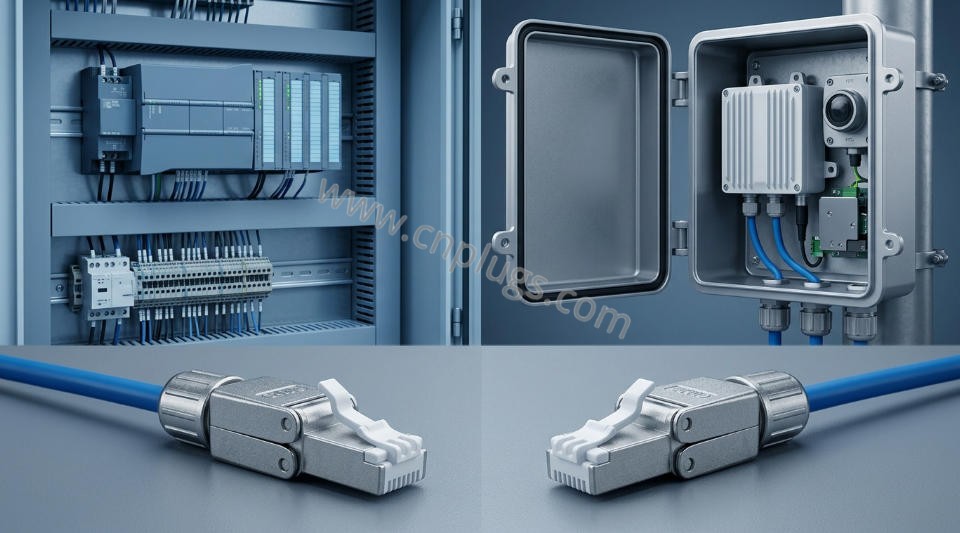
Figure 4. Connector selection should reflect the actual environment, cable route, access conditions, and service plan.
Sample validation checklist for purchasing teams
Before listing a tool-free field connector in a distributor catalog or approving it for an OEM project, run a sample validation with the intended cable.
Mechanical checks
- Does the cable fit the rear clamp or cable-entry range?
- Can the conductors be placed according to the instruction without damage?
- Does the housing close completely and lock as designed?
- Is the cable jacket held securely after assembly?
- Does the assembled connector fit the available equipment space?
Electrical and link checks
- Is the wire map correct?
- Does the completed cable pass continuity testing?
- If required, does the link pass the applicable installation or channel test?
- For shielded designs, is the shield termination completed in accordance with the product instructions and project design?
Process checks
- Can a trained technician repeat the assembly consistently?
- Is the installation time acceptable for the actual job?
- Does the connector remain serviceable after installation?
- Are the required preparation tools available to the maintenance team?
Documenting these checks during sampling is more useful than relying on a product photo or a general category description.
What to include in your RFQ
A clear RFQ helps the supplier recommend a compatible model and avoids delays during sample testing. Include:
- Application: control cabinet, industrial Ethernet, outdoor enclosure, repair, or retrofit
- Cable category and complete cable datasheet, if available
- Conductor gauge and solid/stranded construction
- Insulated conductor diameter and cable outside diameter
- Shielded or unshielded cable construction
- Required connector style: shielded, tool-free, field termination, or other
- Mating jack or equipment-port requirements
- Expected installation environment and space constraints
- Packaging requirements and target quantity
- Sample quantity and required validation tests
Frequently asked questions
Can a tool-free field termination plug replace every standard RJ45 plug?
No. Standard crimped plugs remain appropriate for many office, patch-cord, and controlled cable-assembly applications. A tool-free connector is most useful where field termination, repair, cable uncertainty, limited access, or industrial cable requirements make it practical.
Do tool-free field connectors work with all Cat6A cable?
No. Cat6A cable dimensions and constructions vary. Confirm the connector’s stated conductor range, insulation compatibility, cable outside-diameter range, and shield-termination method against the actual cable.
Is a metal field connector automatically suitable for industrial EMI environments?
Not automatically. It may be part of a shielded system, but the cable, routing, mating connectors, grounding, and project design must all be considered. Review the complete installation.
What tools are still needed for a tool-free connector?
The connector may not need a conventional crimper, but cable-preparation tools can still be required. Depending on the product, this may include a jacket stripper, cutter, and any preparation tool specified in the installation instructions.
Should we test every completed field termination?
The appropriate test level depends on the project and quality plan. At minimum, verify correct wire mapping and continuity. For structured-cabling or performance-critical applications, use the test method required by the project specification.
Final recommendation
Toolless field termination RJ45 plugs are a practical option when the real problem is on-site cable termination: industrial cabinet work, repairs, retrofits, restricted access, or cable lengths finalized at the equipment.
They should be selected with the same discipline as any other network connector. Confirm cable dimensions, conductor construction, shield design, assembly process, strain relief, space constraints, and the required test method. Then validate the connector with the actual cable before a full rollout.
For Cat6A and industrial applications, explore PROUNTA’s Field Termination Toolless Zinc Alloy Shielded Plug or contact our technical team with your cable specification and intended application.
 WeChat ID: